From 2011: 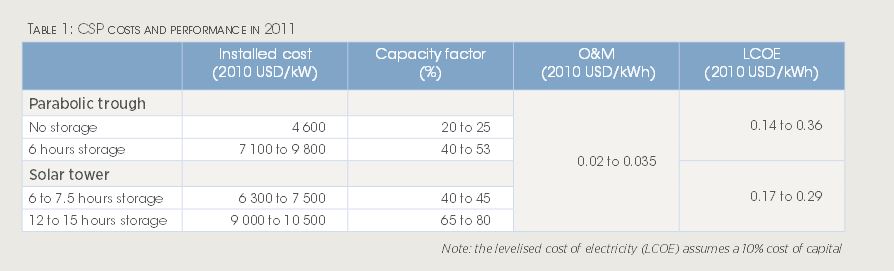
And some of the proposed facilities which we will evaluate again on Wednesday 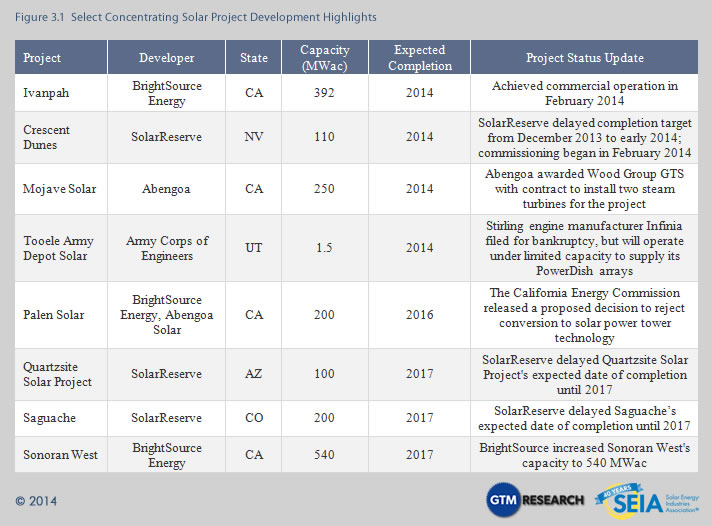 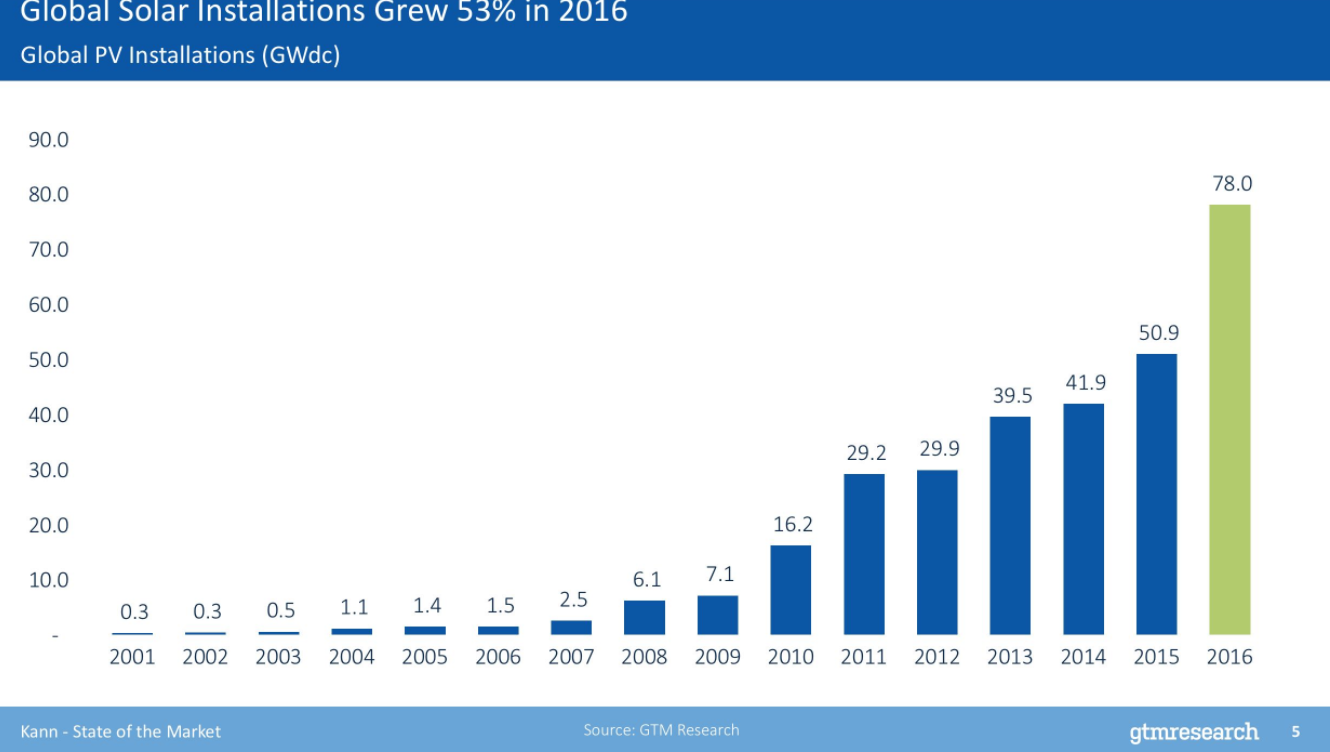 And then along came Trump 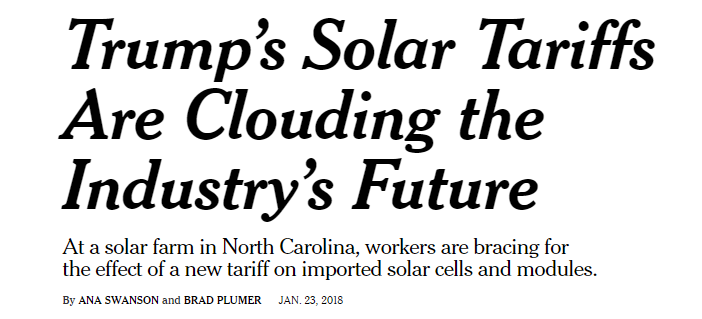
And This is an example of a stupid, style over substance project CSP plant attached to NG facility so as to use solar power to help heat the water and therefore produce less GHG emissions, and so us Canadians are now green . Great idea in principle but what did they actually do?
On the other hand the Austrailans have sort of done it right or at least tried to with the Kogan Creek Solar Boost facility
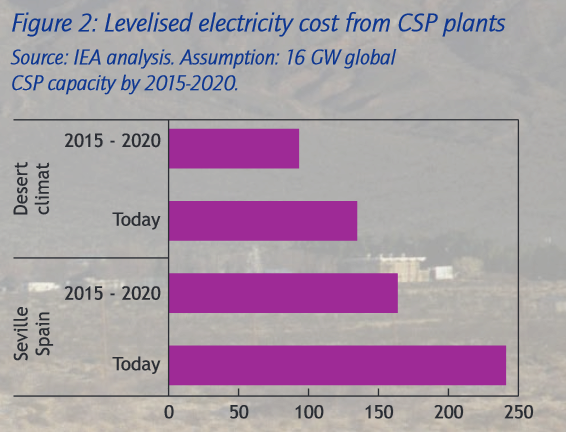
Long term outlook, however, is that CSP will always be significantly more expensive than PV. 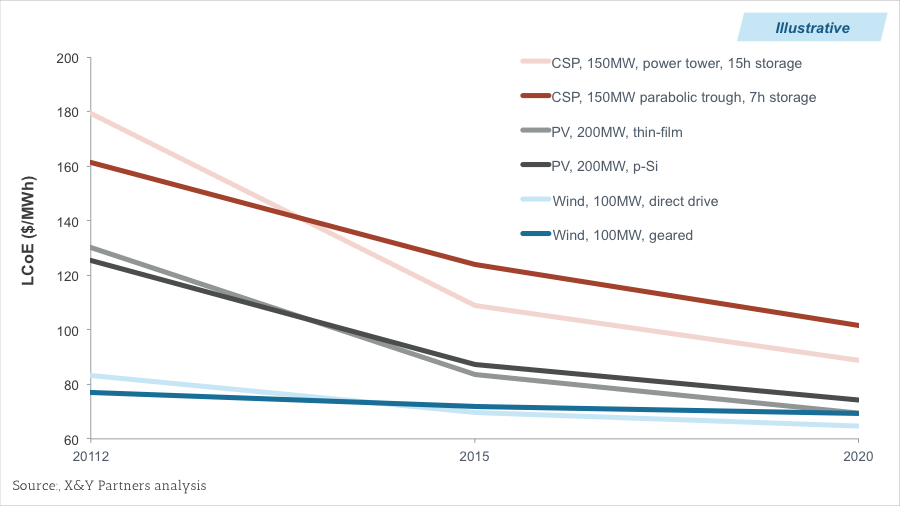 But still, the future roadmap is quite optimistic -- 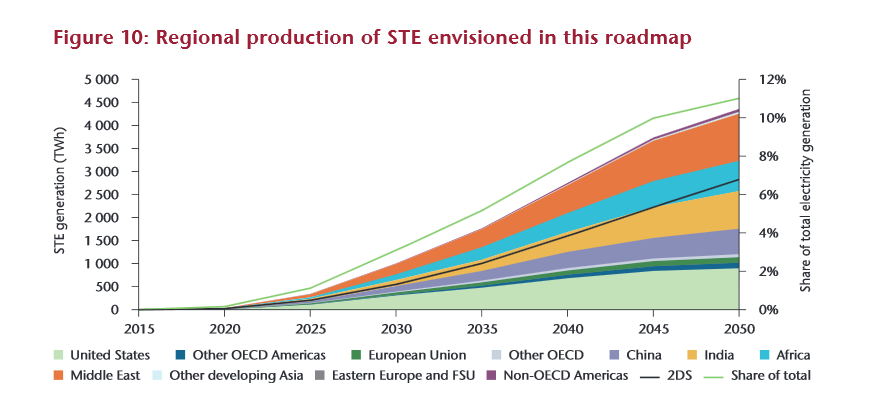
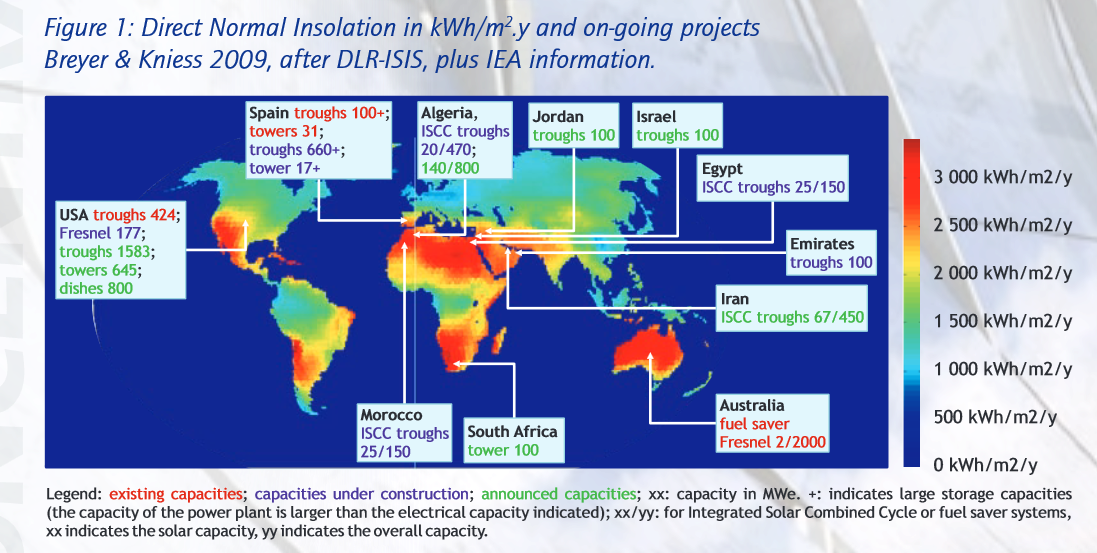
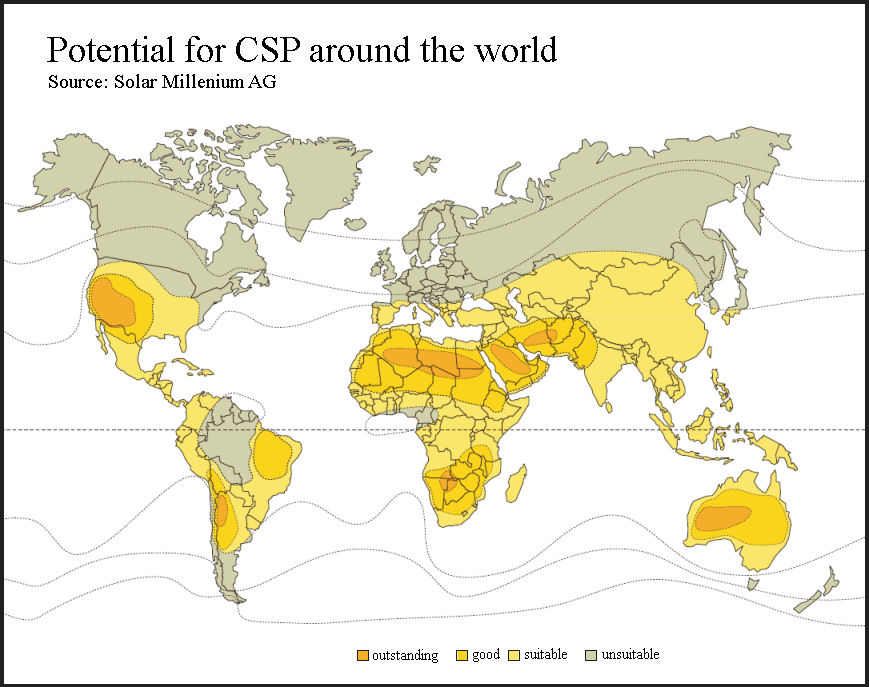
In that real world, the issue then becomes the reliability of the CPV components over time. Also CPV systems function best under clear sky, direct-sun conditions. Early installations were made in Saudi Arabia, Arizona and at Alice Springs, Australia. Costs are a strong function of DNI (Direct Normal Irradiance): 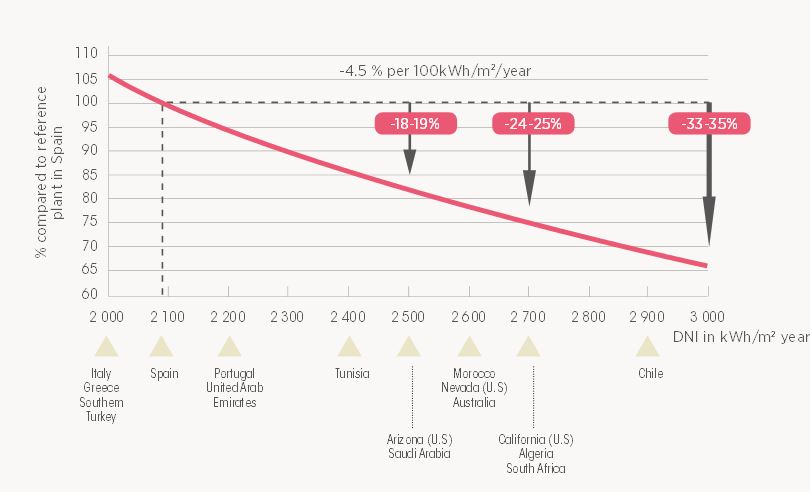
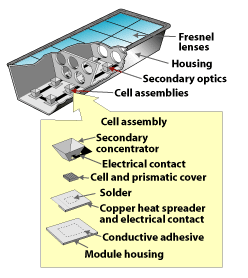 The primary potential problem here for any CSP system is heat load and subsquent failure
of either the PV material itself or one of the components in the optical path.
Within CPV systems, the concentration rato can have high variance.
If light that falls on 100 sq. cm of reflector surface is focussed onto a 1 sq. cm surface
of PV material, then the concentration ratio is 100. Current commercial design concentration
ratios are in the range 200-300 suns. Concentration ratios of more than 1000 have been produced by start up companies that
have claimed to "solve" the energy problem but those companies, like their components, quickly melted.
The primary potential problem here for any CSP system is heat load and subsquent failure
of either the PV material itself or one of the components in the optical path.
Within CPV systems, the concentration rato can have high variance.
If light that falls on 100 sq. cm of reflector surface is focussed onto a 1 sq. cm surface
of PV material, then the concentration ratio is 100. Current commercial design concentration
ratios are in the range 200-300 suns. Concentration ratios of more than 1000 have been produced by start up companies that
have claimed to "solve" the energy problem but those companies, like their components, quickly melted.
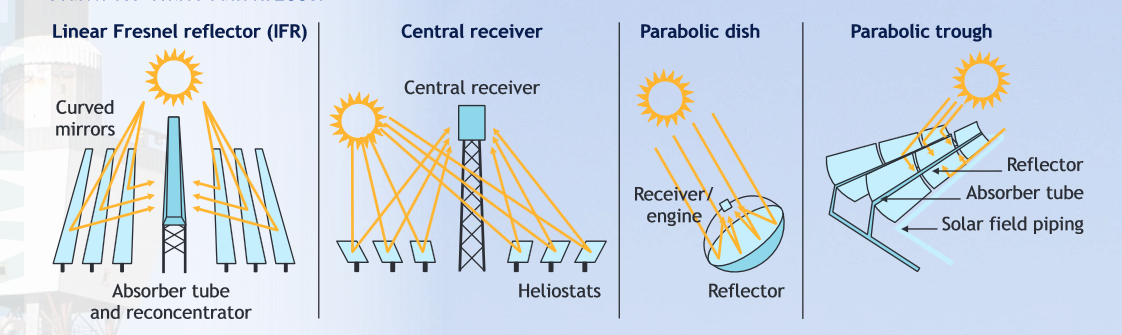
Various Designs for CSP systems are shown below:
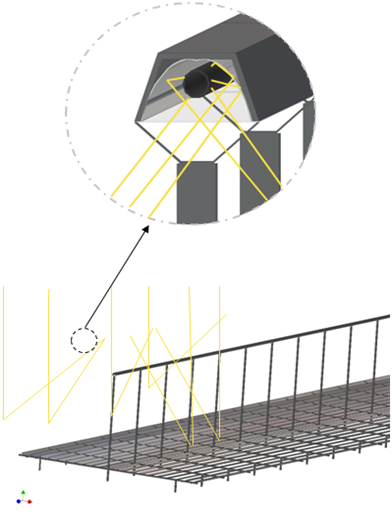
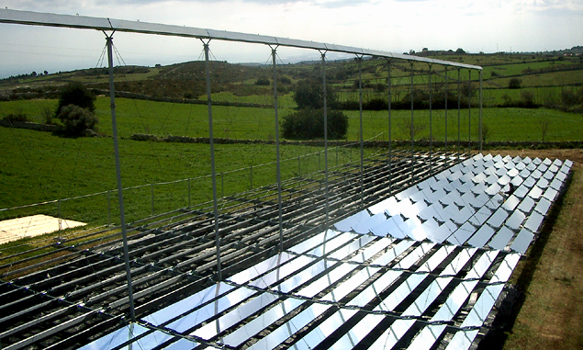
Linear Fresnel Lens:
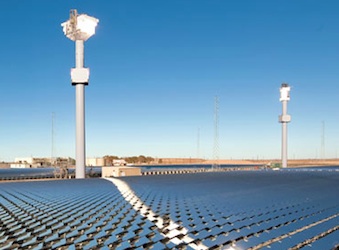
Advantage = simplest system and light weight. Focus is "horizontal" and not parabolic. Can be made Large or small 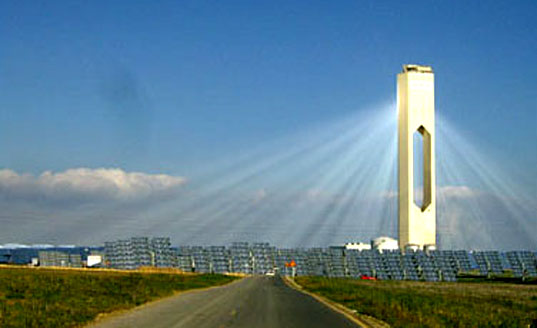 In this case a network of mirrors (heliostats) mostly surrounds a central tower. That reflected and focussed sunlight heats up some kind of receiver at the top of the tower. That hot liquid, usually molten salts, then mixes with water to make steam and hence electricity. This process is shown below. 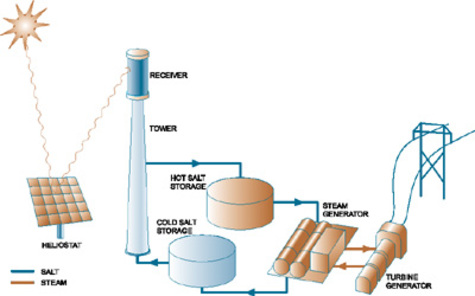
|
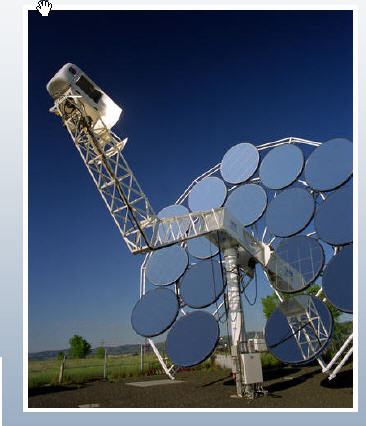
 use some optical system to focus Sunlight onto a PV Array. There are various techniques for focussing: